


 Westar Moving and Storage
  Budget Movers
  Willis Permian Movers
  Corpus Christi Transfer
  Admiral Storage and Van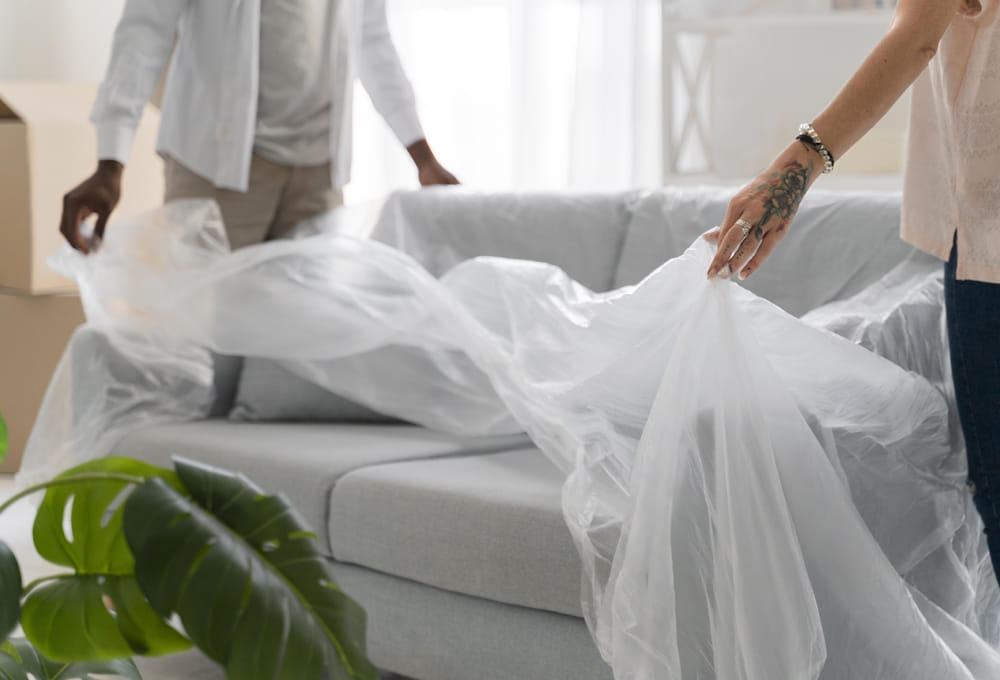
Moving Guides
How to Pack Furniture for Rainy Weather
Rainy weather has a talent for showing up on the worst possible days, whether you are moving, remodeling, or storing furniture while Trailblazer Moving and Storage works on your home. When furniture is not protected correctly, a quick shower can turn into swollen wood, stained upholstery, and rusted metal, which adds stress and cost to an already busy time. With some planning, smart packing, and a few affordable materials, you can keep your furniture safe and dry even when the forecast looks gloomy.
Why Moisture Protection Matters More than You Think
Water rarely ruins furniture in one dramatic moment, although that can happen, but instead sneaks in through seams, unfinished edges, and tiny openings in plastic or cardboard. Once moisture gets inside, it can warp wood, feed mold, stain fabric, and cause glues to fail, which means damage might show up days or weeks after the storm has passed. Treating rain as an enemy of your furniture rather than a minor inconvenience helps you take packing more seriously and avoid those expensive surprises.
Moisture damage also affects the air inside your home, which is something people often forget. Damp furniture can carry musty odors and mold spores back into your living space, irritating allergies and making your home feel less fresh and comfortable. When you protect furniture from rain, you are also protecting the overall comfort and health of your home, something Trailblazer Moving and Storage cares about every time they help you prepare for a move or a big project.
Which Furniture Pieces Need Extra Protection?
Not all furniture reacts to rain in the same way, so it helps to know which pieces deserve your highest level of attention. Solid wood tables, dressers, and chairs can swell, warp, or crack when exposed to repeated dampness, especially along seams and joints where wood glue and fasteners hold everything together. Upholstered furniture such as sofas, sectionals, and accent chairs can turn into sponges, trapping water deep in the cushioning where mold loves to grow.
Mattresses, bed frames, and anything with delicate finishes or moving parts also belong in the “extra protection” category. Mattresses are notoriously hard to dry thoroughly once they get soaked, and bed frames often include wood, metal, and fabric all in one piece, which means several different kinds of damage can happen at once. Glass pieces, electronics housed inside media consoles, and decorative furniture with intricate detailing should also be treated with extra care whenever rain is in the forecast.
What Packing Materials Work Best in Rainy Weather?
The right packing materials act like a shield between your furniture and bad weather, which is why it pays to gather them before moving day or before storms begin. Heavy duty plastic sheeting, high quality moving blankets, mattress bags, and stretch wrap are true essentials, since they provide layers of protection and can be adjusted to fit almost any piece. Thick cardboard, foam padding, and corner protectors help shield furniture from bumps and scrapes while also creating a small buffer between moisture and vulnerable surfaces.
It helps to think in layers when you choose materials. A soft inner layer such as a blanket protects finishes from scratches, while a plastic outer layer keeps rain out and prevents wind from driving wet air into cracks and seams. High quality tape designed for packing is also important, because low grade tape can peel off when it gets damp or when surfaces get dusty during a big move or storm cleanup.
How Should You Prepare Furniture before Packing?
Preparation sets the stage for everything that follows, and skipping this step usually leads to regrets later. Furniture should be cleaned and completely dry before you wrap it, because dirt and lingering moisture trapped under plastic create tiny pockets where mold and mildew can thrive. Removing hardware such as knobs, pulls, and loose legs and placing them in labeled bags keeps pieces safe and makes it easier to wrap the main body of the furniture tightly.
Disassembling larger items whenever possible makes them easier to move through doorways and reduces the risk of strain or drops in wet conditions. Headboards, table legs, shelving units, and sectional couch segments all travel more safely in smaller, lighter sections. Each piece can then be wrapped fully, instead of trying to stretch materials around oversized shapes that never quite get sealed against rain.
How Do You Protect Wooden Furniture from Rain?
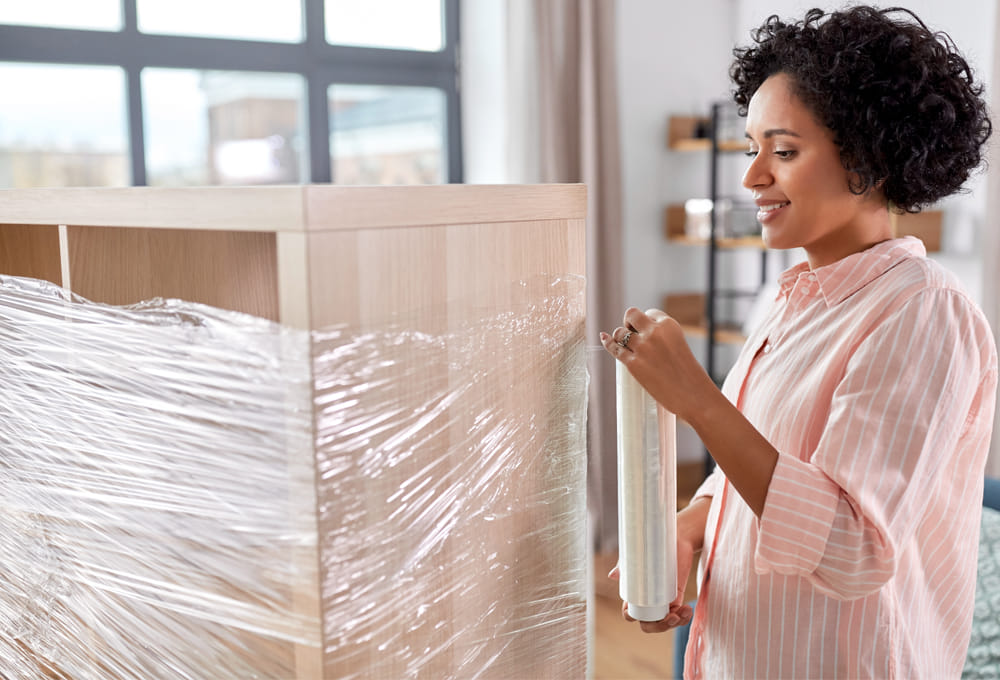
Wooden furniture does best when it has both a soft inner layer and a waterproof shell on the outside. A moving blanket or thick furniture pad wrapped directly around the wood helps protect the finish from scratches and dings, which are more common on slick, wet ground and ramps. After the blanket is secure, a layer of plastic wrap or plastic sheeting should be pulled tight and taped along seams, with particular attention given to corners and feet where water tends to collect.
It is also smart to keep wood off the ground whenever possible by using dollies, straps, and blocks. Even a short wait on a wet driveway or a damp truck floor can allow moisture to wick up into table legs and chair feet. When furniture must be temporarily staged in a garage, driveway, or loading area during a move, avoid placing wood near active puddles and consider using tarps on the floor for extra protection.
How Do You Wrap Upholstered Furniture for Wet Weather?
Upholstered furniture acts like a sponge, so your main goal is to create a waterproof barrier that does not trap existing moisture inside. Before wrapping, vacuum cushions and frames thoroughly and let any recent spills dry completely, because even slightly damp fabric can become a problem when sealed in plastic. Once dry, use specialized sofa covers, mattress-grade plastic, or thick plastic sheeting to enclose each piece, taking care to seal seams and openings with strong tape.
Leaving a little bit of structure to the wrap helps, since tightly pressed plastic can sometimes rip as you move the piece. Wrapping cushions separately gives you more control and can make heavy items easier to handle on slippery surfaces. When loading these pieces, keep them toward the front and inside of the truck or storage unit, farther away from open doors where wind-blown rain can sneak in.
How Should You Protect Mattresses and Bed Frames?
Mattresses deserve their own full coverage, waterproof bags whenever rain is in the forecast. Sliding each mattress into a properly sized bag helps prevent dragging and keeps the material from tearing as easily as loose plastic, which can catch on door frames or rough surfaces. Sealing the open end of the bag with tape adds extra protection, especially on staircases or during long carries through exposed areas.
Bed frames often combine wood, metal, and upholstered elements, so treating each part separately works best. Wooden slats and side rails can be bundled in moving blankets and wrapped with plastic, while metal frames can be padded wherever they might bump into other items. Headboards and footboards with fabric or leather panels should be wrapped like upholstered chairs, with cushioning and waterproof layers that can withstand light rain and high humidity.
What About Metal, Glass, and Specialty Pieces?
Metal furniture such as patio sets or bed frames faces a different risk in rainy weather, because rust and corrosion build over time rather than appearing immediately. Wrapping metal in moving blankets followed by plastic sheeting helps limit exposure to wet air, especially at joints and welded seams where rust often starts. Applying small pieces of foam or cardboard between metal surfaces prevents rubbing that can scrape protective coatings and invite future rust.
Glass and specialty pieces need both impact protection and moisture control. Before wrapping glass, tape an “X” across the surface with painter’s tape to help hold shards together if a break does occur, then pad the glass generously with bubble wrap or soft blankets. Once padded, encase the piece in plastic to keep rain off, and always store or load glass upright rather than flat to reduce the risk of cracks during movement on wet, bumpy ground.
How Do You Load Furniture When Rain Is in the Forecast?
Loading becomes a game of strategy when weather threatens, because placement inside the truck or storage area determines how much contact furniture will have with rain and damp air. Items that are most sensitive to moisture, such as mattresses, upholstered sofas, and antique wood pieces, should be loaded first and kept away from doors, windows, and any potential leaks overhead. Less sensitive items such as sealed plastic bins, tools, and metal shelves can go closer to openings where small amounts of moisture pose less risk.
Angle and height matter as well. Keeping furniture slightly elevated on pallets or boards inside a truck or storage unit helps prevent moisture from seeping up from the floor, which is especially important if the area is experiencing leaks or minor flooding. When possible, create a “ceiling” for delicate pieces using sturdy items like boxed goods or flat panels on top, then cover that entire section with additional plastic to shield it as the doors open and close.
What If Furniture Gets Wet Anyway?
Even the best plans sometimes meet unexpected downpours, which means you may still end up with damp furniture despite your efforts. The key is to act quickly once you reach a dry location, since time makes the difference between a minor inconvenience and long term damage. Remove all plastic wraps if you suspect moisture has gotten inside, wipe surfaces dry, and use fans and dehumidifiers to encourage airflow around and through cushions, wood joints, and fabric folds.
Watch for lingering odors, visible water lines, or soft spots in cushions and padding over the next few days, because these can signal hidden moisture that needs more attention. Light surface dampness on sealed wood or metal may dry without issue, while deep saturation in mattresses or upholstery could require professional cleaning. If water reached furniture because of a larger storm event, it may be time to rethink your overall storage strategy with help from experienced movers who know how to stage items more safely in wet conditions.
How Does Good Planning Protect Your Furniture?
Most people associate rainy weather problems with puddles, muddy shoes, and slow traffic, yet your furniture depends on good planning just as much as your schedule does. A plan that includes high quality packing materials, clear staging zones, and a realistic timeline reduces the chance that pieces will sit uncovered in a driveway or on a truck ramp while rain falls. By thinking ahead, you can shorten the amount of time furniture spends outside or under open skies, which is one of the simplest ways to reduce moisture risk.
Good planning also helps coordinate your move or storage project with other work around your home. If you know that a big storm system is approaching, it might make sense to adjust timing, rearrange which rooms you pack first, or move certain items to interior spaces before the worst weather arrives. Treating the forecast as part of your moving checklist rather than an afterthought keeps your furniture safer from the very beginning.
When Should You Call Trailblazer Moving and Storage for Help?
If the forecast shows days of rain and you feel overwhelmed by the idea of packing and moving furniture alone, that is a clear sign you could benefit from professional help. Rather than juggling tarps, blankets, and heavy pieces in slick conditions, it usually costs less in stress and potential damage to bring in a team that works in all kinds of weather. The professionals at Trailblazer can supply the right materials, create a smart loading plan, and move quickly so your furniture spends as little time exposed to the elements as possible.
It also makes sense to involve Trailblazer when you need short term or long term storage during a rainy season. Climate-conscious storage strategies, smart stacking methods, and waterproof barriers inside storage spaces all help keep moisture away from your belongings. Treating professional movers and storage experts as partners in your rainy weather plan makes the entire process smoother and safer for your furniture.
Stay Dry with Help from Trailblazer Moving and Storage
Packing furniture for rainy weather takes extra effort, yet that effort pays off when your favorite pieces arrive dry and intact, regardless of what the sky is doing. By choosing the right materials, wrapping each piece thoughtfully, loading strategically, and acting quickly if moisture sneaks in, you give your furniture the best possible chance to stand up to stormy conditions. Pair those smart packing habits with experienced moving and storage support, and you create a plan where rain stays outside and your belongings stay protected.
When you want peace of mind before a move or need to store furniture during a stretch of wet weather, reach out to Trailblazer Moving and Storage for professional packing, moving, and storage services. The right partner keeps the process organized and efficient so your furniture, flooring, and every room in your home stays dry and comfortable no matter what the forecast predicts.