


 Westar Moving and Storage
  Budget Movers
  Willis Permian Movers
  Corpus Christi Transfer
  Admiral Storage and Van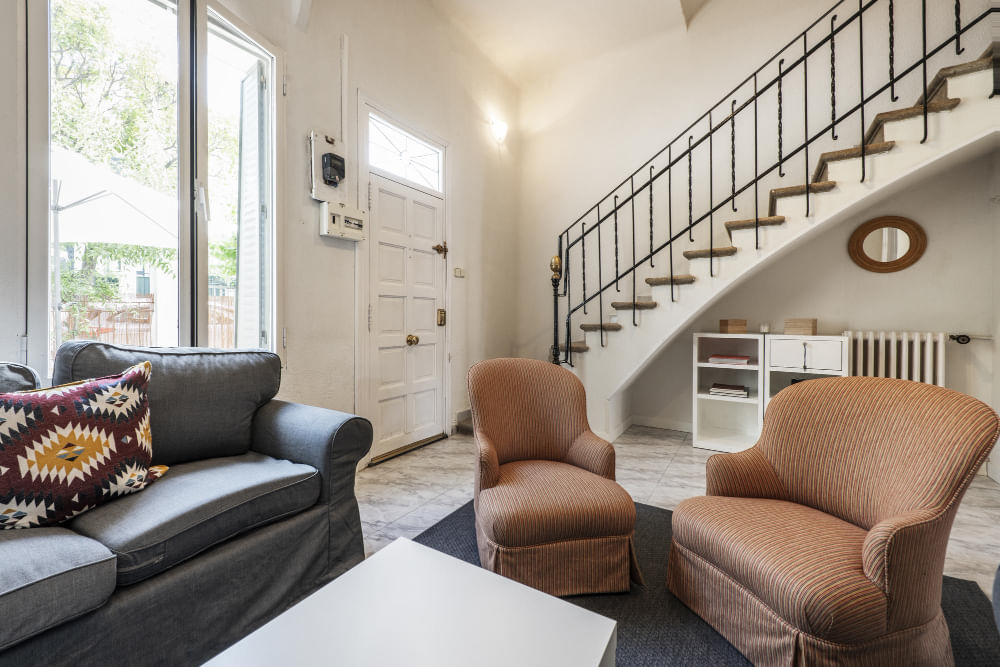
Moving Guides
Preparing to Sell? The Value of Professional Home Staging
Moving day brings enough change for you and your household, which is why your plants deserve thoughtful care as they make the trip to a new home. Many people underestimate how sensitive plants can be during a relocation, especially when it involves long drives, temperature changes, or extended time in a moving truck. Trailblazer Moving and Storage works with families who want their plants to arrive healthy, intact, and ready to settle into their new space, which is why understanding how to pack them correctly matters. While every plant has its own temperament, the broader process stays manageable if you follow clear steps that protect the soil, the roots, the foliage, and the container.
What Exactly Is Home Staging?
Home staging is the art and strategy of presenting a property so buyers can instantly read a room’s purpose, scale, and potential. It involves removing visual noise, selecting the right furnishings and accents, and arranging them to guide the eye through balanced sightlines. Good staging never feels showy or fake, since it relies on clean surfaces, livable layouts, and a few intentional details that communicate comfort and quality.
Staging before you move creates order during a moment that naturally invites disorder. When you decide to edit, rearrange, and simplify each room at the outset, you sidestep the frantic last-minute scramble that derails many sellers. Buyers experience a home that feels calm and cared for, while you gain a crystal-clear inventory of what will make the trip to your next place.
How Staging Shapes First Impressions
First impressions start at the curb and deepen with every step inside, so staging aligns the home’s story from exterior to entry to main living areas. A trimmed lawn, a freshly swept walk, and an inviting front door set expectations for what follows. Inside, open traffic paths, consistent lighting, and uncluttered countertops keep energy high and hesitation low as buyers move from room to room.
Well-staged homes typically sell faster because buyers do not need to decode confusing layouts or imagine where furniture should go. Properties that photograph well also draw more showings, which can shorten days on market and improve negotiating leverage. Even small staging investments tend to return value since they reduce the number of buyer objections that trigger price reductions or extended concessions.
Declutter, Edit, and Store: The Pre-Move Trifecta
Decluttering removes duplicates and dated decor, editing pares down to the right quantity for scale, and short-term storage gets the rest out of the way without forcing permanent decisions. Temporary storage is the silent hero of staging because it keeps rooms photogenic during the listing period while protecting excess pieces that will still serve you later. Our contacts can pick up, catalog, and warehouse your items so your home stays show-ready with minimal effort.
Should You Stage an Empty House or Leave It Vacant?
Vacant rooms often look smaller than they are because buyers lose visual reference points, which can make even generous spaces feel oddly tight. Strategic furniture anchors a room’s scale, demonstrates traffic flow, and helps buyers see how their pieces might fit. Light staging in key areas outperforms bare rooms because it replaces uncertainty with clarity.
Room-by-Room Priorities That Pay Off
Not every space needs the same level of attention, so concentrate on the high-impact zones that carry the most emotional weight for buyers such as:
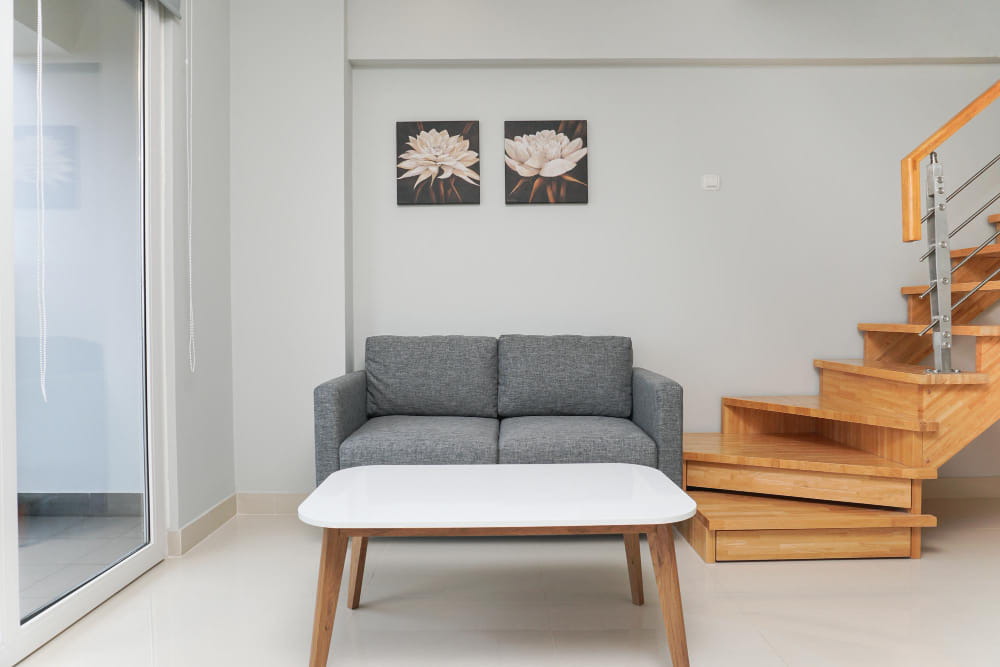
Living Room: Define a single, welcoming conversation area and clear paths to windows and hallways to keep the space open and relaxing.
Kitchen: Empty counters except for one useful appliance and a fresh element like a bowl of citrus, then ensure cabinets and drawers operate smoothly.
Primary Bedroom: Aim for a quiet, hotel-inspired feel with crisp bedding, minimal furniture, and blackout-quality window treatments that suggest restful nights.
Bathrooms: Bright lighting, fresh caulk, and simple white towels communicate cleanliness and care in seconds.
Entry and Hallways: Remove furniture that blocks lines of sight so the first few steps inside feel spacious and easy.
Do Small Upgrades Make a Difference?
Small improvements act like stage lighting for a play, since they highlight what matters while fading distractions into the background. Fresh paint in a soft, neutral palette unifies rooms and reflects light, which boosts photographic appeal and expands perceived space. Replacing yellowed switch plates, dated cabinet pulls, and tired faucets quietly signals that the home has been maintained with intention.
Lighting, Color, and Scent: The Invisible Stagehands
Lighting sets mood and clarity, so use a mix of ambient overheads and table or floor lamps to create layered brightness from morning through evening. Color feels cohesive when walls share a complementary family, while a few warmer accents in pillows or art keep the look friendly rather than sterile. Scent should be neutral and clean, never perfumey, because buyers trust what feels fresh and natural.
Photographing Your Staged Home for Online Browsers
Most buyers meet your home through photos first, which means staging needs to read well at thumbnail size and on mobile screens. Balanced furniture arrangements, consistent window treatments, and clear floor areas create high-contrast images that pop in crowded search results. Coordinating with your photographer on timing for the best natural light can be the single most powerful step you take to boost click-throughs and showing requests.
5 Common Pre-Move Home Staging Mistakes to Avoid
1) Too Much Furniture: Keep only what demonstrates function and flow.
2) Busy Artwork and Patterns: Opt for calm pieces that do not fight the room’s lines.
3) Neglected Maintenance: Fix squeaks, drips, and dings before showings start.
4) Poor Lighting: Replace cold or dim bulbs with warm, bright, energy-efficient options.
5) Last-Minute Cleaning: Schedule deep cleaning before photos and maintain a quick reset routine.
What Does a Staging Timeline Look Like?
A reliable timeline lends structure to your sale, keeps stress lower, and keeps the results consistent from photos through closing. The following plan assumes a listing date about four weeks out, though The Staging Company can compress or expand the cadence to match your situation.
Week 4: Walk through with your agent and create a staging checklist that includes repairs, paint, and furniture edits.
Week 3: Declutter aggressively, pack non-essentials, and schedule a pickup for short-term storage.
Week 2: Complete paint and minor fixes, reinstall simple hardware, and finalize lighting choices.
Week 1: Stage rooms, deep clean, and confirm photo and marketing dates.
Photo Day: Open blinds, turn on all lights, and hide bins, cords, and pet items.
Listing Week: Keep a daily ten-minute reset routine so every showing feels as polished as the photos.
Staging While You Are Still Living in the Home
Living in a staged home calls for a few smart systems that preserve the look without turning life upside down. Lidded baskets, slim rolling bins, and a single catch-all drawer per room allow quick resets after breakfast or before a showing. Staging can help with the process by storing off-season clothing, seldom-used appliances, and bulk supplies so essentials are always within reach and extras are always out of sight.
Staging on a Budget Without Cutting Corners
Staging does not require a full furniture rental package when you prioritize edits and maintenance first, then focus spending on paint, lighting, and a few high-impact textiles. Borrowing a pair of matching nightstands or swapping a heavy coffee table for a lighter one can transform photos without inflating costs. A quality staging service for moving offers scalable services so you can direct budget toward the tasks that move the needle for your particular property.
Is Virtual Staging Enough?
Virtual staging produces attractive images for online listings, yet buyers still walk into the real rooms and expect them to feel similar to the photos. Physical staging remains powerful because it solves traffic flow, balances scale, and communicates care through touchpoints like door hardware and textiles. A hybrid approach works well for select spaces, yet the main living areas deserve at least light, real-world staging to deliver on expectations.
Sell Smarter: Staging for Your Likely Buyer
Effective staging considers who will live in the home next and what matters most to that buyer. A starter home benefits from a clean, flexible office nook that doubles as a guest space, while a larger property may shine with an outdoor dining setup that suggests effortless entertaining. Staging becomes persuasive when it demonstrates the version of daily life your most likely buyer hopes to achieve.
How Staging Reduces Stress on Moving Day
A staged home is already pre-sorted, which means moving day becomes an execution rather than a decision-storm. Labeled boxes travel from streamlined rooms to the truck in fewer trips because clutter never made it into the load order. Crews move through clear pathways, furniture fits where it should, and you arrive with belongings that have already proven their value in a simplified layout.
The Safety and Care Factor During a Staged Sale
Staged spaces naturally reduce tripping hazards and protect surfaces because fewer items sit on floors and shelves. Wrapping and storing extras early keeps fragile goods safe from accidental bumps during showings, which saves money and preserves peace of mind. Professional moving stagers use professional packing techniques and secure storage environments so your valuables remain photo-ready or move-ready for as long as you need.
How to Choose What Goes to Storage Versus What Stays
Keep items that define a room’s purpose, match its scale, and look fresh under bright lighting. Send duplicates, seasonal gear, and visually heavy pieces to storage so rooms feel bigger and calmer. Staging companies with experience can inventory stored items by room and category, which makes retrieval or final loading straightforward when it is time to move out completely.
Why Staging Helps With Appraisal and Inspections
Staging will not change square footage, yet it can help appraisers and inspectors access areas, read room uses, and see maintenance clearly. Clear attics, basements, and utility closets communicate that systems have been cared for, which fosters confidence at a pivotal moment. Organized spaces also speed the process, reducing the time your home spends in limbo between offer and closing.
What If Your Property Is Already in Great Condition?
Even polished homes benefit from staging because it aligns details across rooms and ensures the camera reads each space as crisp and inviting. Light fixture consistency, matched lamp temperatures, and a unified paint palette elevate already nice finishes to a magazine-ready standard. The difference between good and great often shows up in photos, which drive viewings, which drive offers.
How to Maintain Momentum After an Offer
Once you accept an offer, keep your staging mostly intact until contingencies clear, since you may still get back-up showings. Packing can continue behind the scenes while key rooms remain camera-consistent for any required re-visits. A top-rated staging company coordinates final pack, load, and delivery dates so your move flows seamlessly from contract to keys.
Consider Carefully Staging Before Selling a Home
Staging before you move gives buyers clarity, gives your photos star power, and gives you a calmer, cleaner path to your next address. The process saves time, trims costs, and protects your belongings while lifting perceived value where it matters most, and we can manage packing, storage, and move-day logistics around your staging plan so everything works together from the first showing to the final box. If you want a faster sale, a smoother move, and a result that feels thoughtfully orchestrated from curb to closing, reach out to Trailblazer Moving and Storage and set your plan in motion today.